
The 100-Day Challenge has helped the team narrow these broad areas of work into specific SMURF goals that can be measured by the end of the cycle on 26 November.
For child protection, the team aims to expand outreach from more than 200 families to at least 500 children, parents and caregivers. Mental health education will increase from 40 young people reached to at least 300 youth, students and community members, while substance abuse prevention programmes aim to reach at least 500 young people.
The team also aims to activate 13 GBVF Ambassadors across Swartland, increase referrals to the Dahlia Centre for GBVF support by at least 30% and increase the number of people receiving integrated psychosocial support through the Centre from a baseline of 60 referrals to at least 100 supported clients.
Taking the goals into communities
During the first weeks, the team has started translating these targets into programmes in schools and community spaces.
Child protection activities have included ECD compliance support and “Discipline starts at home” sessions at the Swartland Community Sport Centre (SCORE), with school awareness programmes at Moorreesburg Secondary School continuing until October. Parent information sessions and Children’s Act workshops are also planned.
Substance abuse prevention has included an awareness programme at Moorreesburg Secondary School on 31 August, supported by the ongoing work of the Local Drug Action Committee.
GBVF activities are combining community awareness with access to services. Courageous Conversations began in August and will continue during September and October, alongside door-to-door campaigns, counselling, referral management and community outreach through the Dahlia Centre.
The 13 GBVF Ambassadors are also receiving one-on-one mentoring to help them plan activities within their wards, understand reporting processes and participate in skills development training.
What happens over the remaining days
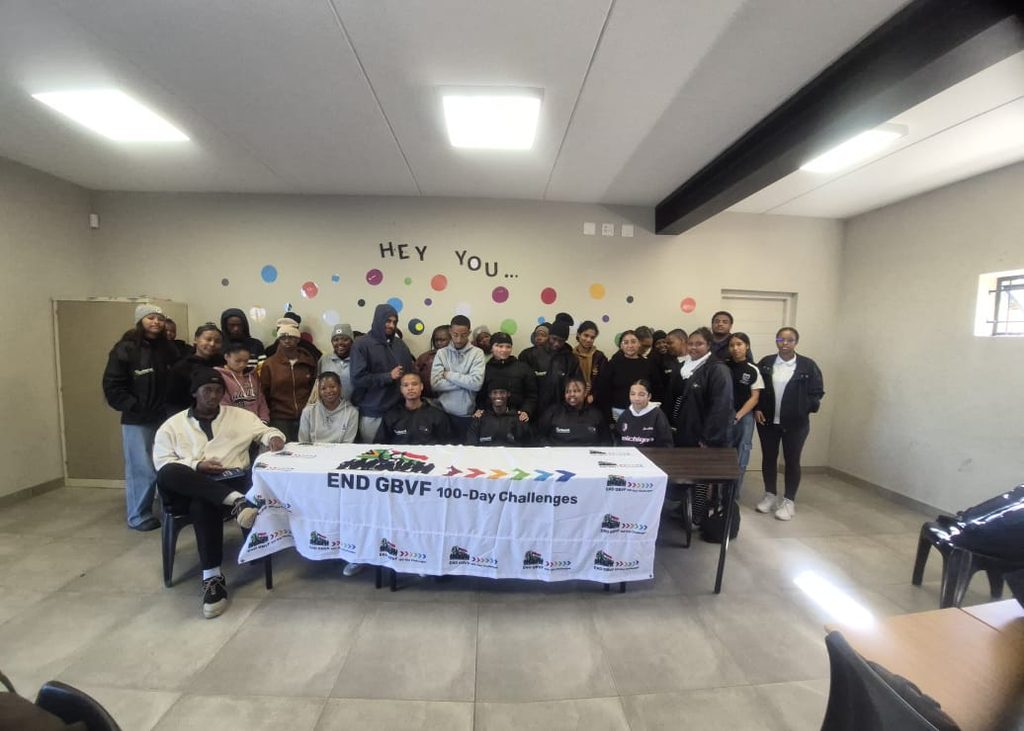
The team brings together Swartland Municipality, government departments, non-profit organisations, tertiary institutions, community organisations and education partners. Working towards the same 100-day goals is helping partners connect their individual programmes to what they collectively want to achieve for communities.
Clerise du Plessis, Senior Coordinator for Special Projects at Swartland Municipality’s Dahlia Centre, says the process has encouraged the team to think more deliberately about the results of its interventions.
“The 100-Day Challenge simplified and improved our thinking by looking at impact-driven interventions.”
Several activities are still planned for September and October, including the First Time Mothers Programme in Abbotsdale, further GBVF conversations and child protection activities.
The team will meet again at the Dahlia Centre on 22 September to review implementation and assess progress against its goals. With the cycle ending on 26 November, this gives partners time to identify where more attention is required and focus the remaining days on reaching the people and families these goals were developed to support.
Swartland