
The Moretele 100-Day Challenge team is working to change that experience by taking services into communities and bringing different departments into the same programme of work.
Team coach Refilwe Mphiwa, a Community Development Officer at Moretele Local Municipality, coordinates an ID campaign that works with Home Affairs to take a mobile service truck into communities. The truck has capacity to assist approximately 80 people a day, although some outreach days have reached between 200 and 220 people. Residents can apply for ID’s, while those without birth certificates can receive help to register their births.
Taking services to residents
The focus responds directly to the realities of a predominantly rural municipality. Refilwe explains that travelling from some wards to Home Affairs can cost around R120 for a single trip. Residents may also depend on buses leaving early in the morning and returning late in the afternoon. For people who are unemployed or dependent on social grants, those costs and distances can make accessing services difficult.
The team includes ward committees across all 26 wards, Community Development Workers, municipal officials and Home Affairs. Its work has also become part of a broader integrated service programme involving Social Development, SASSA, SAPS and NPOs.
Since the beginning of September, stakeholders have been going into villages together five days a week. A resident who has lost an ID, for example, can be assisted with an affidavit and an ID application during the same outreach, while someone experiencing a verification problem can be referred directly to the relevant official.
One community visit, multiple services
This integrated approach goes beyond documentation. The team is connecting its outreach to substance-use awareness, victim empowerment, crime prevention and GBVF response. Activities have taken place in schools, clinics, churches and other community spaces, alongside door-to-door outreach. The team has also used flea markets and choir gatherings to share information about GBVF and available support.
For Refilwe, some of the strongest indications of progress are found in individual cases. During one outreach, an elderly woman sought assistance because her son, who was using substances, had become violent at home. Municipal staff, SAPS and Social Development responded immediately. A follow-up with the woman found that she was able to sleep peacefully again and begin repairing the damage to her home.
In another community, women who had lost children were assisted to register an NPO and establish a vegetable garden, with further livelihood support being explored.
Working beyond departmental boundaries
The 100-Day Challenge has also changed how participating stakeholders work together.
“We are not working in silos. We are working together,” Refilwe says.
The team now records the number of people reached and the issues encountered during outreach five days a week. Refilwe is still consolidating these registers to determine progress against the team’s final 100-Day Challenge figures.
While those numbers are still being compiled, the work already points to a different way of delivering services in Moretele. Departments are going into communities together, responding to issues as they encounter them and connecting residents to more than one service through a single community visit.
As the team moves through the remainder of the 100 days, those figures will be important in understanding how far its work has reached across Moretele’s 26 wards. The work so far has also given the team something to build on beyond the numbers, as stakeholders have developed a coordinated way of taking services into rural communities and responding to residents together. The remaining days will test how far the team can extend that approach while using what it is learning in each community to direct its next activities.
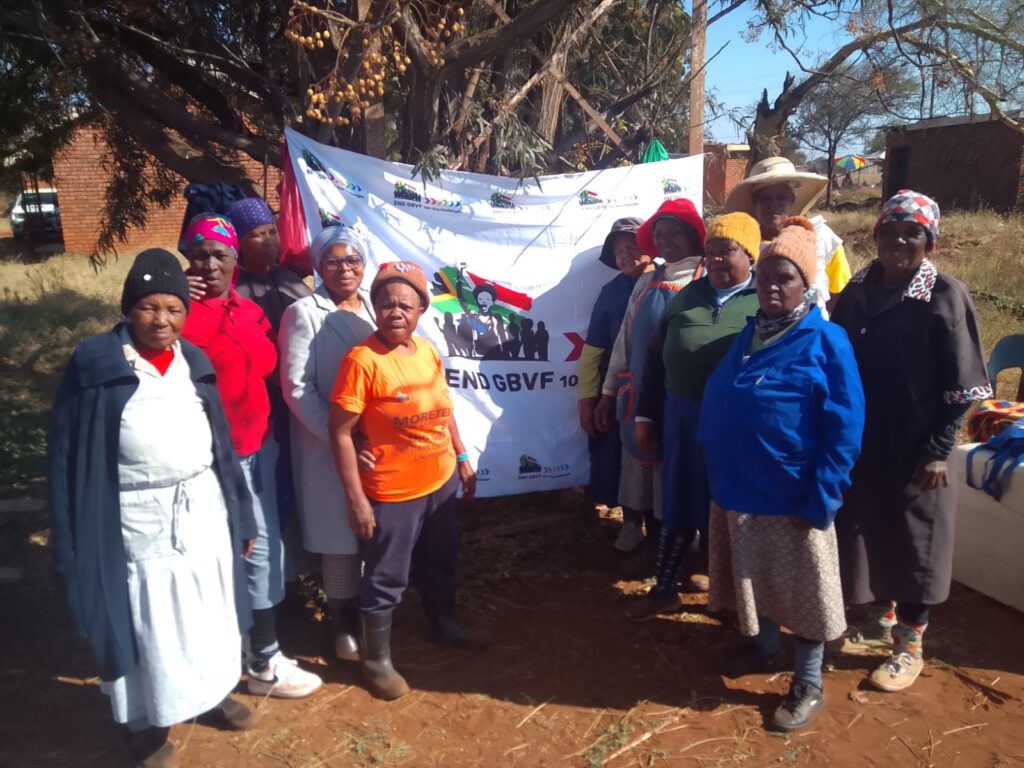
Moretele Local Municipality