
Behind these results is a lesson that keeps coming up in GBVF work. Sharing information does not automatically mean people feel able to use it. Working under the focus area “Break the Silence”, the team learned how much the setting of a conversation can affect someone’s willingness to ask questions or seek assistance.
Bringing conversations into student activities
The team initially focused on students within the college. However, fear and stigma made some reluctant to discuss their experiences or approach support services. Many also lacked information about their rights and what to do when experiencing violence.
GBVF education was introduced into Life Orientation lessons, bringing information about reporting and support into the classroom. While this created familiarity with the subject, the team recognised that students needed other ways to engage.
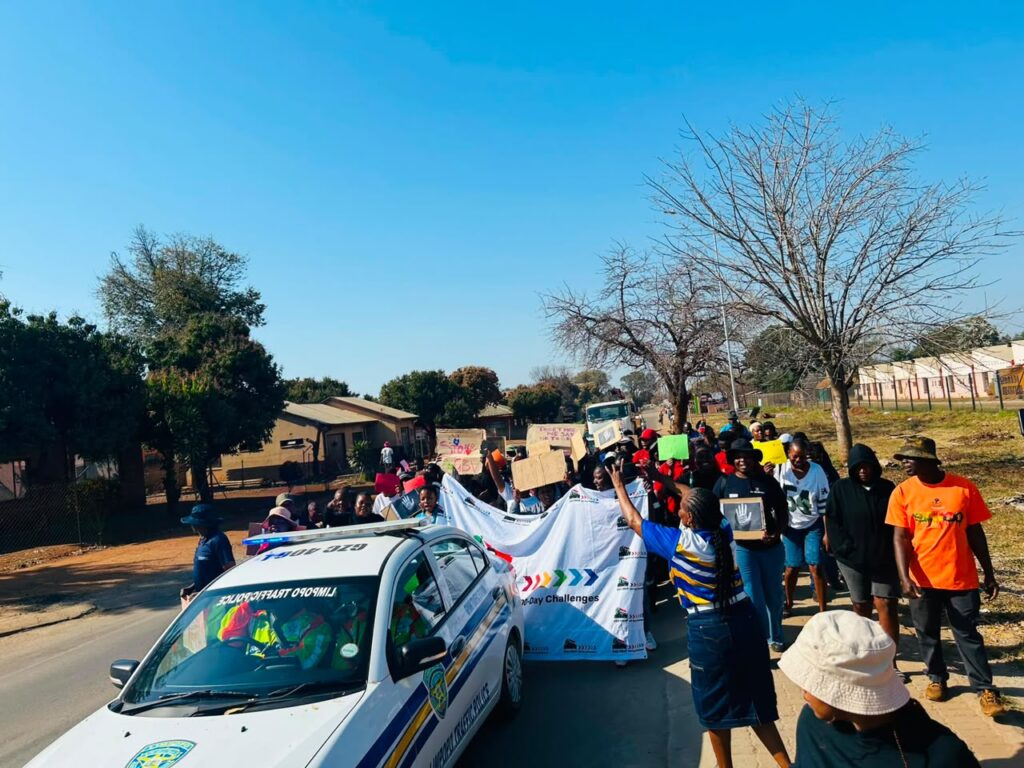
They worked with the college’s marketing team to include GBVF education in roadshows and exhibitions, as well as recruitment and community engagements. This extended their reach to prospective students and the wider community.
Someone attending a roadshow to explore study options could now also learn where to seek help. They did not have to attend a session specifically about violence to receive information that might be relevant to their circumstances.
The team found that these broader activities created a more relaxed environment for discussion. Students began asking more questions and became more willing to seek assistance. Adapting the approach helped the programme reach a much wider audience.
Making sure assistance follows the information
Collaboration with the Department of Social Development and the Department of Justice also helped students access immediate support, including counselling and referrals. This gave the conversations somewhere to lead. Learning about your rights can raise questions about your own experiences, so access to someone who can explain your options becomes important.
Students began coming forward for counselling and the team noted an increase in GBVF cases reported to police. This willingness to seek help gives meaning to the outreach figures. As young people learned more about their rights and the support available, links with service providers meant they had somewhere to turn when they were ready.
Carrying the lessons forward
Direct engagement helped the team understand difficulties that might otherwise have gone unrecognised. It also helped young people learn how to support others experiencing violence, extending the value of the conversations beyond those seeking assistance themselves.
The team intends to undertake another 100-Day Challenge and continue its community outreach.
Letaba’s experience shows the value of responding to what students are telling us through their questions and hesitation. Bringing GBVF education into existing college activities opened more routes into the conversation, while collaboration with support services helped people act on the information they received.
Letaba TVET