
What changed at the table
The team brings together everyone close to a case, the court manager, the magistrate, NPA prosecutors, SAPS, correctional services, social development and legal aid. The biggest shift is speed. A continuous roll sets identified cases down over two to four days in a single week, so testimony from several witnesses that once took six to eight months to complete is now heard in about two weeks. Virtual hearings let witnesses take part from anywhere in the country, and when someone has no data or connectivity, a nearby court opens its facilities so they can still appear.
Pushing on when the lights go out
None of this comes easily. Load shedding, cable theft and network failures interrupt the technology the team now leans on, and many courts have no backup for when the power drops. The team keeps going regardless, knowing what the work is worth even when the conditions work against them.
Confidence worth protecting
When cases drag, communities lose faith in the courts. As matters close faster, Onicca has watched that faith begin to return. For her, the real test comes after day 100, holding this pace as the ordinary way of working. The team has seen what is possible, she says, so there is no reason to stop.
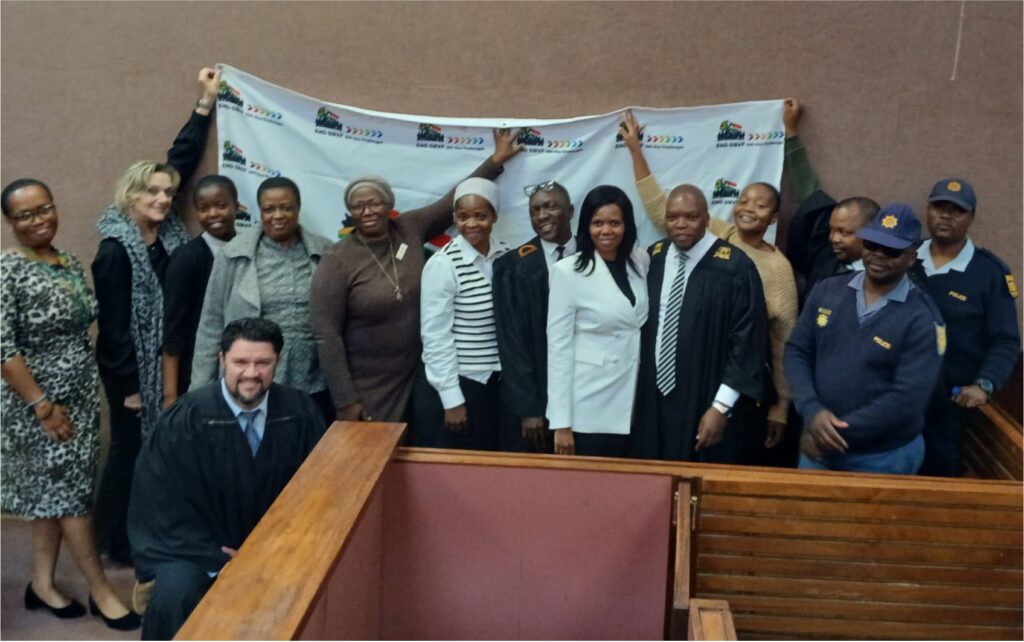
Limpopo justice cluster