
Why these matters resist a quick answer
Divorce rarely arrives on its own. Domestic violence can run underneath it, which means a survivor’s safety has to be checked and protected while the matter moves through the court. Children need arrangements that will hold, and fights over property can stall everything else. Mediation House works alongside the team on the most tangled cases, helping with the reports and settlement agreements that keep children and assets from becoming bargaining chips.
A weekly rhythm that keeps things moving
The team meets every week rather than once a month, in person or online, to report progress and name whatever is slowing a matter down. A continuous roll sets identified cases down over consecutive days instead of scattering them across the calendar, and virtual hearings let parties attend from wherever they are, sparing them the travel and time that used to stand between people and their own court dates.
The court manager, magistrate, NPA prosecutors, SAPS, social development, legal aid, private attorneys and Mediation House work as one group. They also keep each other going, acknowledging strong work and letting a healthy sense of competition lift the whole team, and when they stop guarding their own turf, Onicca notes, cases move faster and everyone shares the resources and the cost.
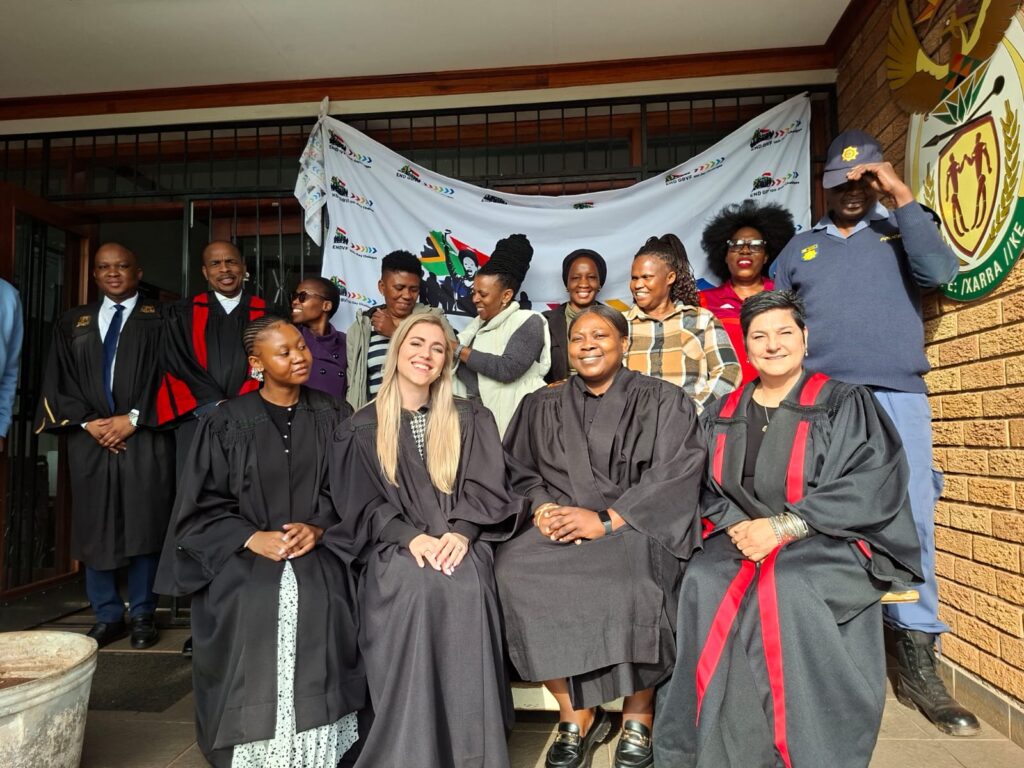
Limpopo justice cluster