
They worked under Pillar 1 of the National Strategic Plan on GBVF, Accountability, Coordination and Leadership, and set one goal: a consolidated stakeholder Memorandum of Understanding (MOU) defining roles, referral procedures and shared responsibilities.
It is not the kind of result that makes headlines. It is the kind that makes every other result possible.
Ten partners, one agreement
The team brought ten stakeholder groups into the drafting process: the municipality, SAPS, the Departments of Health, Social Development, Correctional Services, Defence, and Justice and Constitutional Development, the UNISA Law Clinic, Nkangala TVET College’s Middelburg Campus, and civil-society organisations.
Each partner was given a concrete contribution. DSD was tasked with aligning indicators and sharing departmental forms. SAPS was asked to provide the anonymous GBVF reporting form. Health and Justice were asked to explain and share their forms, and the UNISA Law Clinic to contribute advice and research. At their 20 August 2026 meeting, members reviewed the draft and recorded each allocation in the minutes.
Why paperwork protects survivors
Placing each organisation’s forms and procedures side by side showed the team where referrals connect and where they break down. Their conclusion was direct: having many organisations in a GBVF response does not automatically mean coordinated services. Where roles are unclear, survivors face delays, repeated referrals and gaps in support.
Once approved and implemented, the MOU will set out where referrals go, who takes responsibility and how feedback is given. As the team wrote in their close-out report, “No single organisation can provide every service a survivor may need.”
Building on earlier work
In 2025, the municipality’s team took the regulatory barriers blocking a new shelter to the Executive Mayor. This year, the team asked for previous challenge goals to be recorded in their minutes, which keeps new work tied to earlier commitments.
What comes next
The MOU is still a draft. Final stakeholder review, an implementation plan with named responsibilities and timelines, and formal approval are still to come. The team has committed to another 100-Day Challenge to complete these steps and test whether the referrals work in practice.
Accountability starts with clarity. Steve Tshwete has laid the foundation.
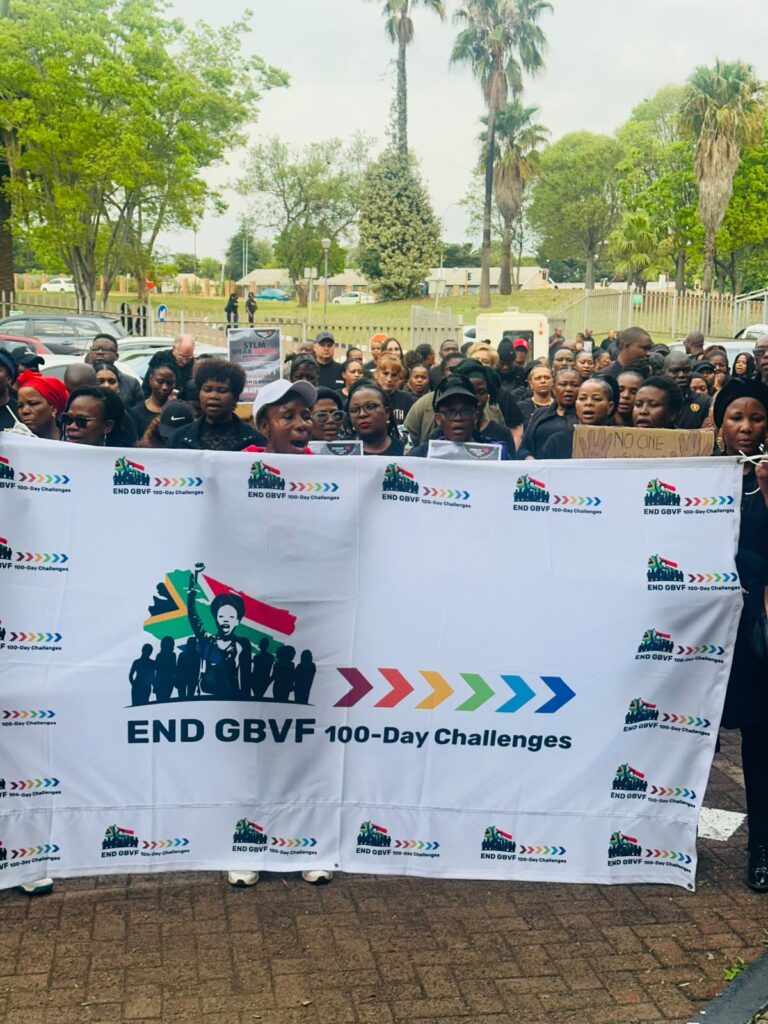
Steve Tshwete