
Addressing alcohol-related risks
Alcohol misuse has been identified as one of these conditions.This 100-Day Challenge team has set a goal to reduce alcohol-related incidents within the workplace and staff villages, alongside work addressing child wellbeing, responsible parenting, access control and risks associated with communal ablutions. Alcohol-related incidents have been associated with assault, family instability and people reporting for duty while intoxicated. Public drinking in residential areas has also become part of the conversation because staff villages are shared community spaces where families and children live.
The 100-Day Challenge creates a defined period in which the team can begin responding to these concerns. One proposal is to discontinue alcohol sales at the staff shop, where alcohol is currently available. The proposal still requires management support, but it has prompted a wider conversation about SANParks’ own role in reducing easy access to alcohol within the residential environment.
Awareness programmes and existing structures such as the men’s and women’s forums will support this work. SANParks protection services and the South African Police Service will also address public drinking and unlicensed alcohol sales at staff residential areas.
Extending the conversation to children and families
The Challenge also extends into the lives of children within the SANParks community. The park has a primary school serving staff families, where the 100-Day Challenge team intends to engage boys and girls on alcohol and substance misuse. Responsible parenting and children’s use of smartphones will form part of these conversations. The decision follows several bullying cases reported at the school this year, including incidents involving sexual assault and children’s exposure to pornographic material.
Addressing concerns around communal ablutions
Living conditions have also come under consideration. Some staff accommodation continues to rely on communal ablutions. Incidents of sexual violence and substance use have previously been reported in these facilities, raising serious concerns about their continued use by adults and children living in the park.
Replacing these facilities is unlikely to happen within 100 days. Progress during the Challenge could, however, include securing a management plan that sets out how SANParks intends to address the issue. The 100-day period provides a useful framework for getting difficult institutional issues onto an implementation agenda and establishing clear actions that can continue beyond Day 100.
Bringing different sectors into the response
The team will bring together departments across SANParks, with support from SAPS, the Department of Health, religious leaders and the Department of Justice’s Family Court unit. Solly Shakwane, SANParks Manager for Transformation, Diversity and Inclusion, serves as Challenge Strategist, supporting two coaches who are leading implementation on the ground.
Building work that continues after Day 100
The 100-Day Challenge team began its work in August following a delayed start to allow greater stakeholder participation after the winter school holidays. Some of the issues it has identified will require work well beyond the 100 days, particularly changes to staff accommodation and communal ablutions. The immediate focus is on making progress where action can begin now, while developing plans for the areas that require longer-term institutional involvement.
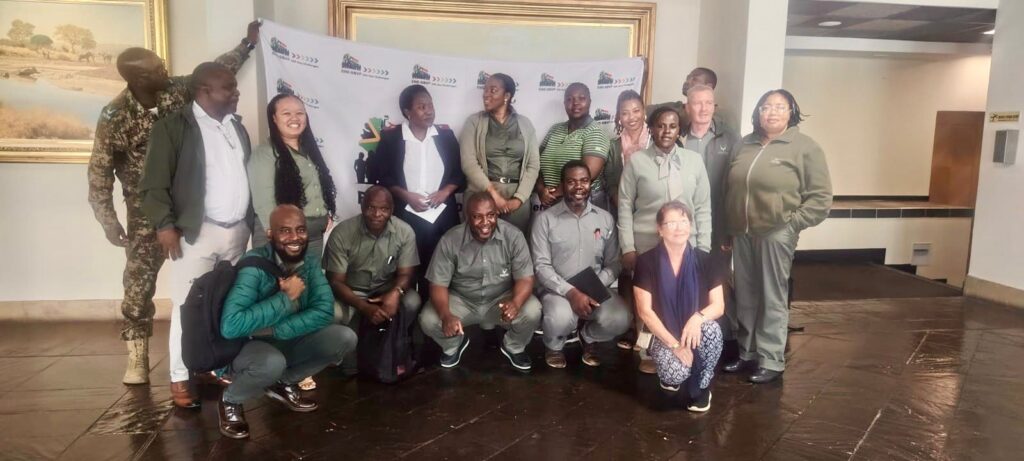
Kruger National Park (KNP)