
During the campaign period, more than 200 GBVF cases have also been reported. Put those numbers next to each other and there is more to talk about than reach alone.
Looking beyond how many people were reached
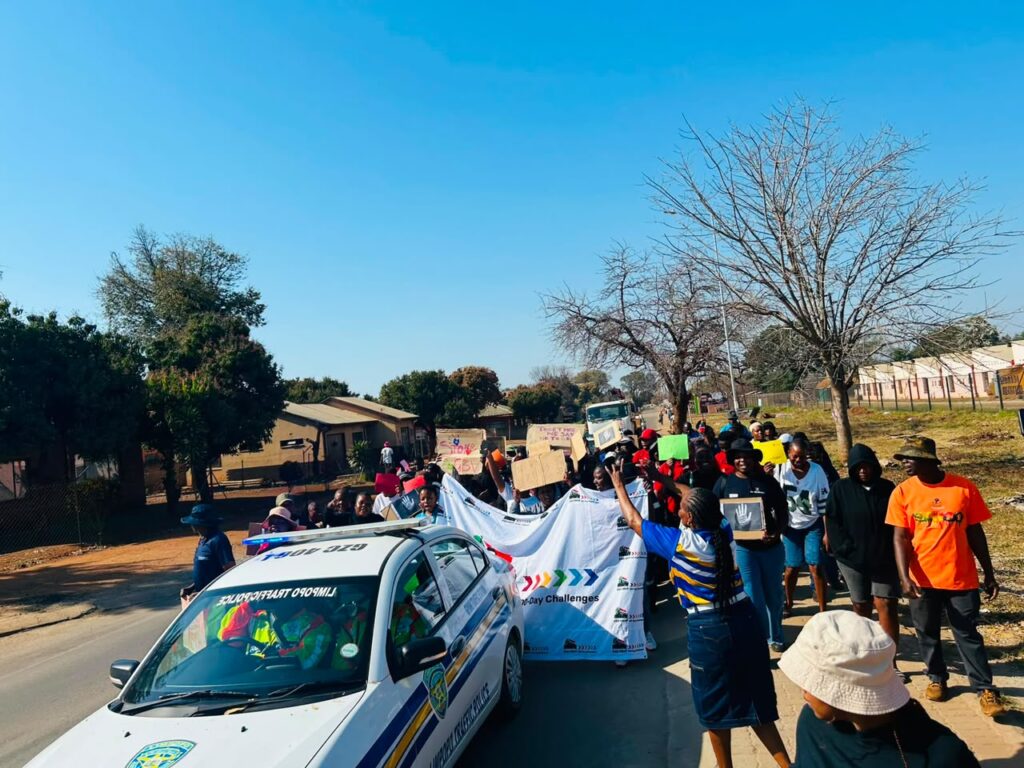
The Letaba team has been running outreach programmes, awareness sessions, dialogues and educational activities. Young people have been learning about GBVF, prevention, how reporting works and which support services are available to victims and survivors.
Reaching more than 3,000 young people tells us about the scale of the campaign. The next question is what happened after those conversations.
During the 100 days, more than 200 GBVF cases were reported. The team says victims and survivors have shown greater confidence in reporting cases and seeking assistance, alongside a greater willingness among community members to speak about GBV. Although, the number does not tell us whether GBVF itself has increased or decreased in Greater Tzaneen. What it does give the team is an indication that more people are coming forward and using the reporting and support systems available to them.
For a Challenge focused on Breaking the Silence, this is an important part of understanding progress.
Reporting also brings the response into focus
The increase in reporting is an encouraging development for a Challenge focused on Breaking the Silence, but reporting is only one part of a much longer process for victims and survivors.
The progress update does not provide information on what happened after the more than 200 cases were reported, including whether those who reported were referred to or received further support. This will be an important area to understand as the work develops. As awareness of reporting mechanisms grows and more people use them, the response that follows becomes equally important.
This means looking at whether victims and survivors are able to access the services they were referred to, how those services respond and whether support continues after the initial report. These are questions that extend beyond the immediate reach of an awareness campaign, but they are closely connected to what Breaking the Silence is intended to achieve. Encouraging reporting has greater value when people can also access assistance after making that decision.
Extending GBVF information beyond dedicated engagements
The Letaba team is also considering how this work can continue through activities that already form part of the college calendar. Its next steps include working with the college’s Marketing Department to participate in career exhibitions and other student engagements, where large numbers of current and prospective students are already expected to participate.
This provides another way to make information about GBVF prevention, reporting and support available without relying solely on dedicated awareness sessions and dialogues. Career exhibitions may have a different primary purpose, but they also bring together students who may need this information themselves or know someone who does.
Including GBVF information in these broader engagements could therefore help maintain access to reporting and support information after the concentrated 100-day period has ended.
Continuing the work beyond 100 days
The team reports a positive response from learners, educators, community stakeholders, victims and survivors and intends to continue its awareness and prevention activities.
The planned collaboration with the Marketing Department provides one route for doing this. It also shows how lessons from a 100-Day Challenge can be carried into existing programmes and activities instead of ending when the 100 days are complete.
For Greater Tzaneen, the progress so far provides several areas to continue monitoring. More than 3,000 young people have been reached and more than 200 GBVF cases have been reported. The next phase can begin to provide a fuller picture of what follows those reports, whether victims and survivors are accessing support and how GBVF information can continue reaching students through the college’s existing engagements.
Letaba TVET